
Session 4 of 6
Inner Healing: Trauma — Through a Medical Lens
What trauma does to the brain and body, and what God promises
Focus
Adverse childhood experiences, how trauma reshapes the brain, manifestations in adult life, and God’s promise of restoration.
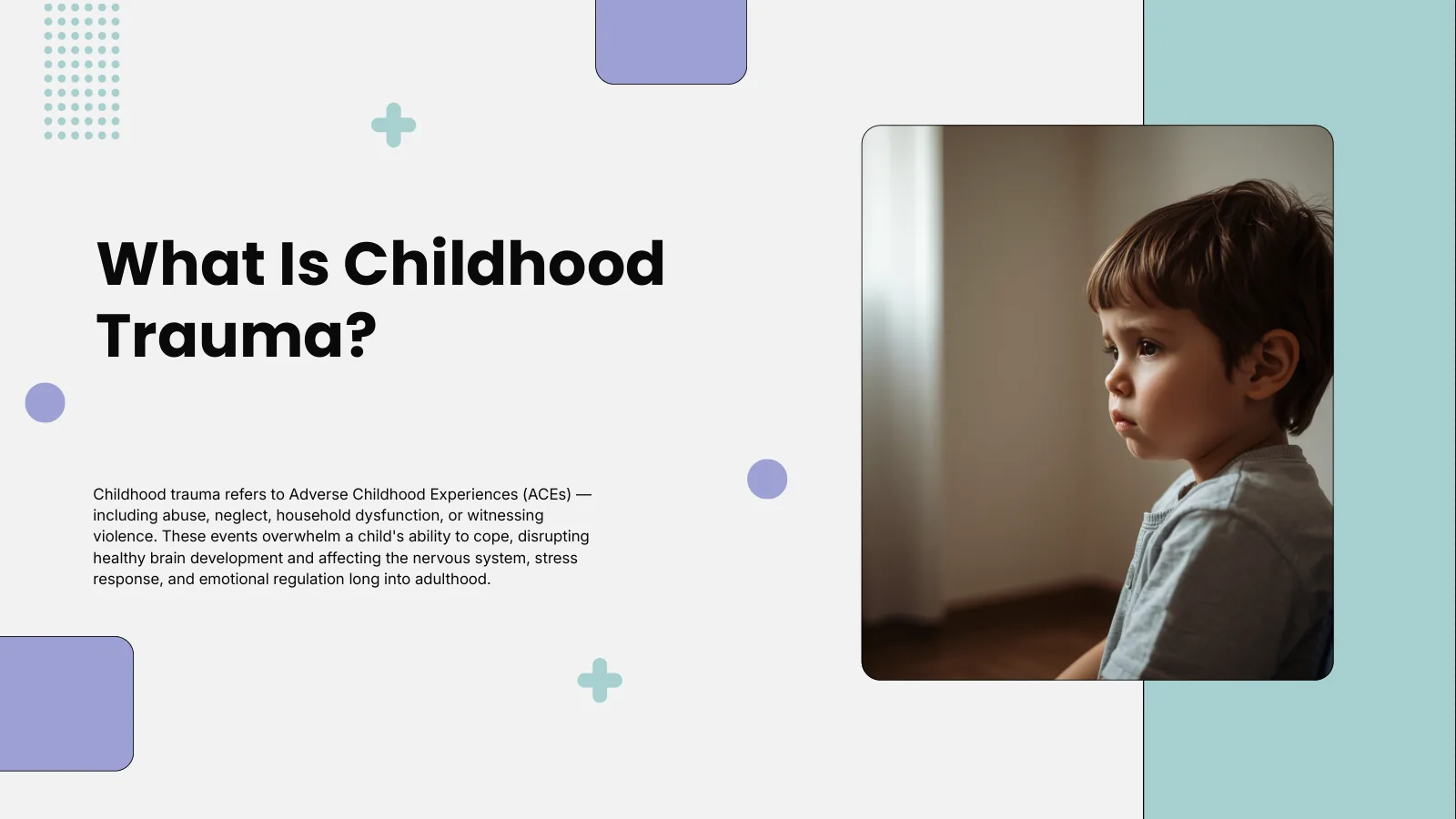
What childhood trauma is
Childhood trauma refers to Adverse Childhood Experiences — abuse, neglect, household dysfunction, or witnessing violence. These events overwhelm a child’s ability to cope, disrupting healthy brain development and affecting the nervous system, the stress response and emotional regulation long into adulthood.
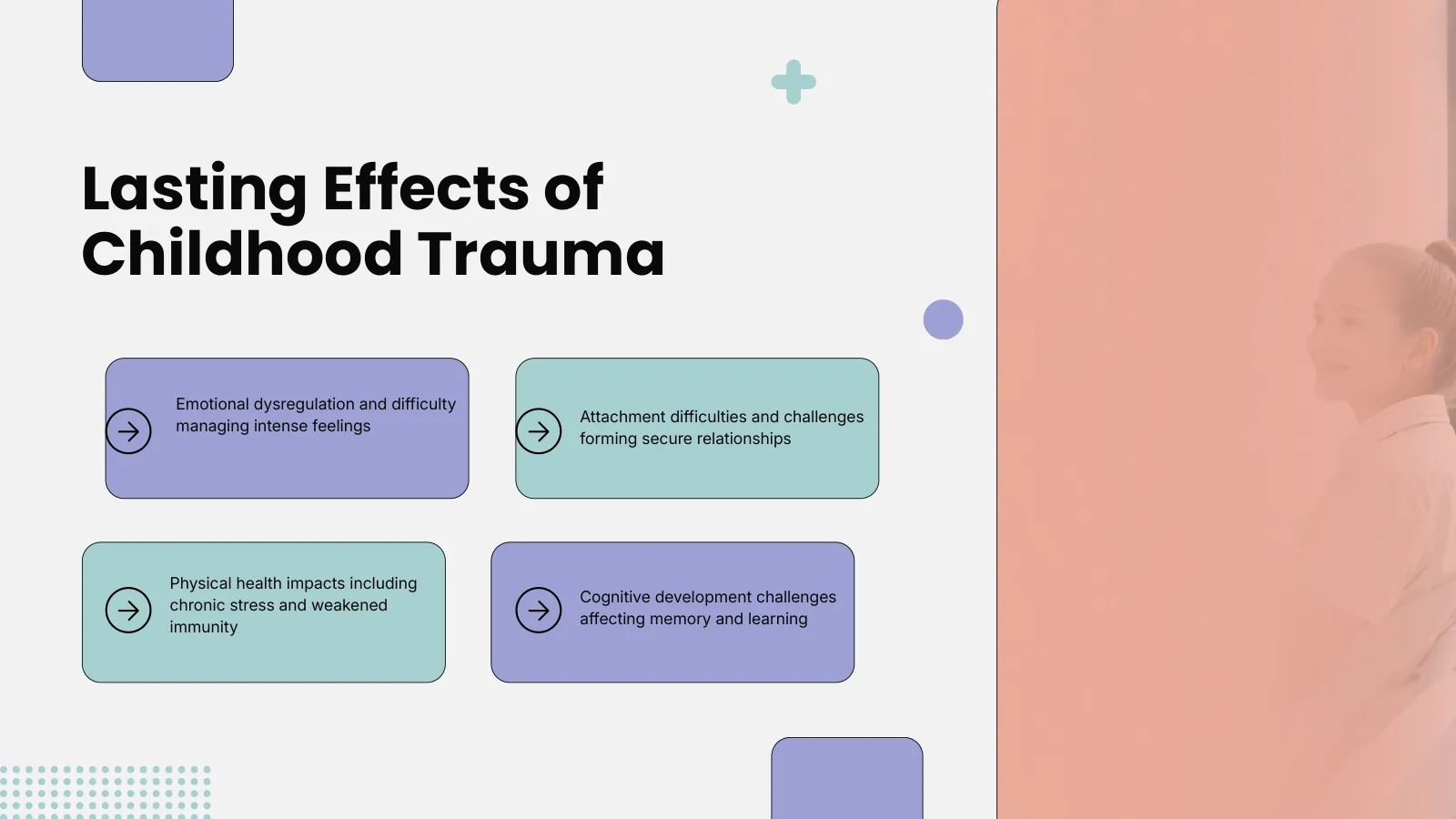
What it leaves behind
Emotional dysregulation, and difficulty managing intense feelings. Attachment difficulties, and trouble forming secure relationships. Physical health effects, including chronic stress and weakened immunity. And cognitive effects on memory and learning. These are not character flaws; they are the marks of an overwhelmed system.
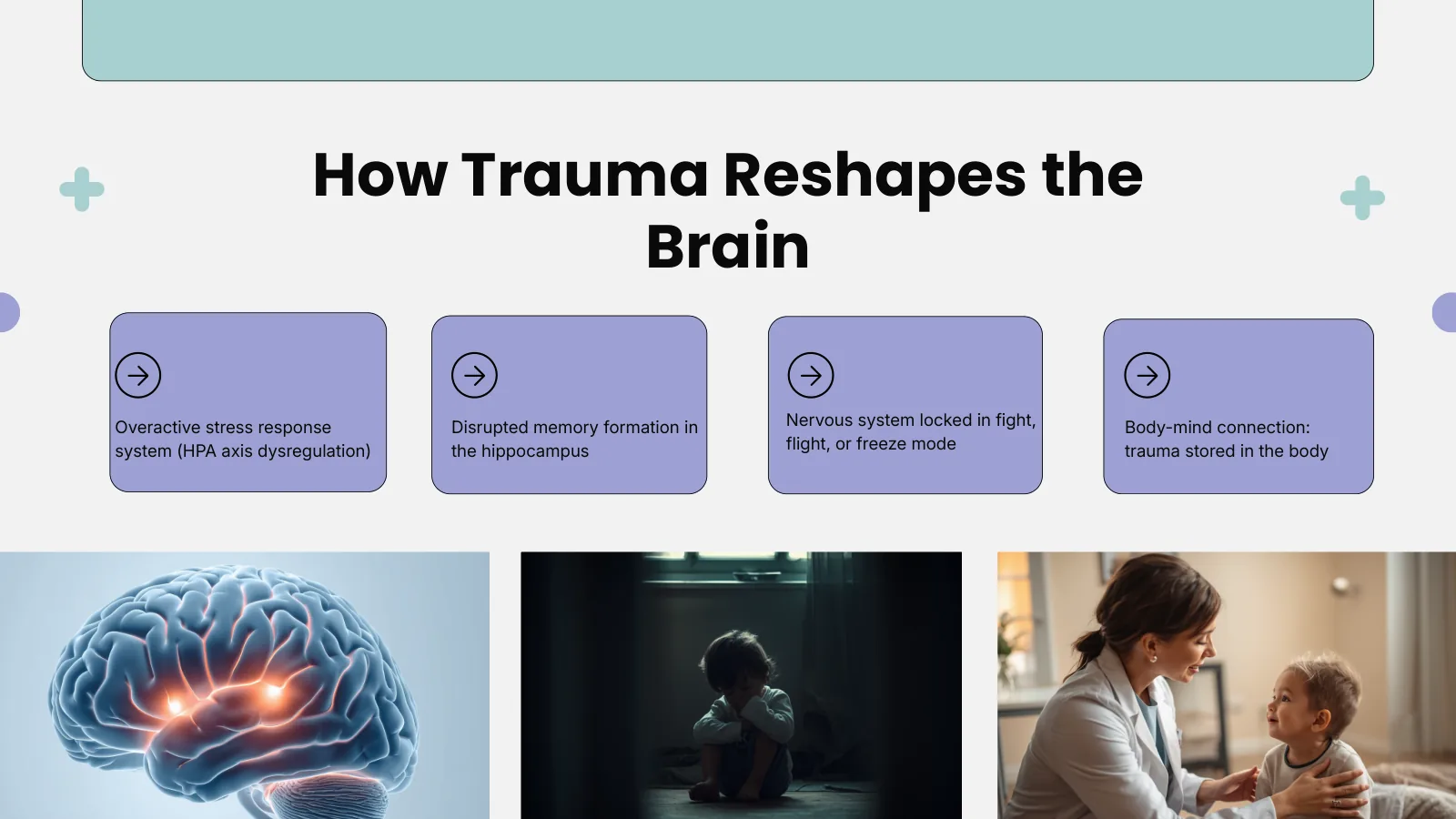
How trauma reshapes the brain
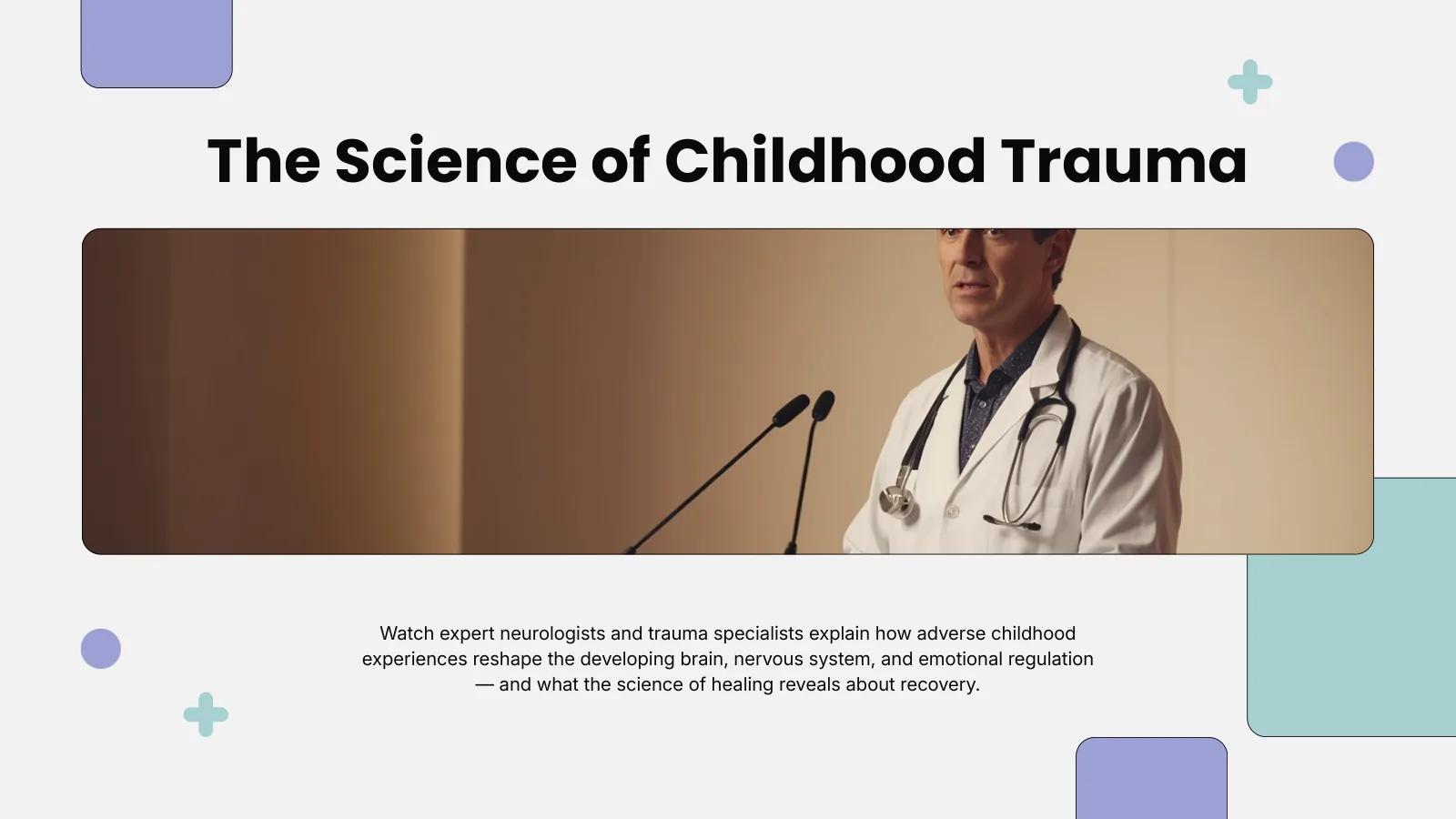
An overactive stress-response system. Disrupted memory formation in the hippocampus. A nervous system locked in fight, flight or freeze. Trauma is not only remembered — it is stored in the body, which is why it can surface without a thought preceding it.
How it shows up in adult life
Relationship patterns
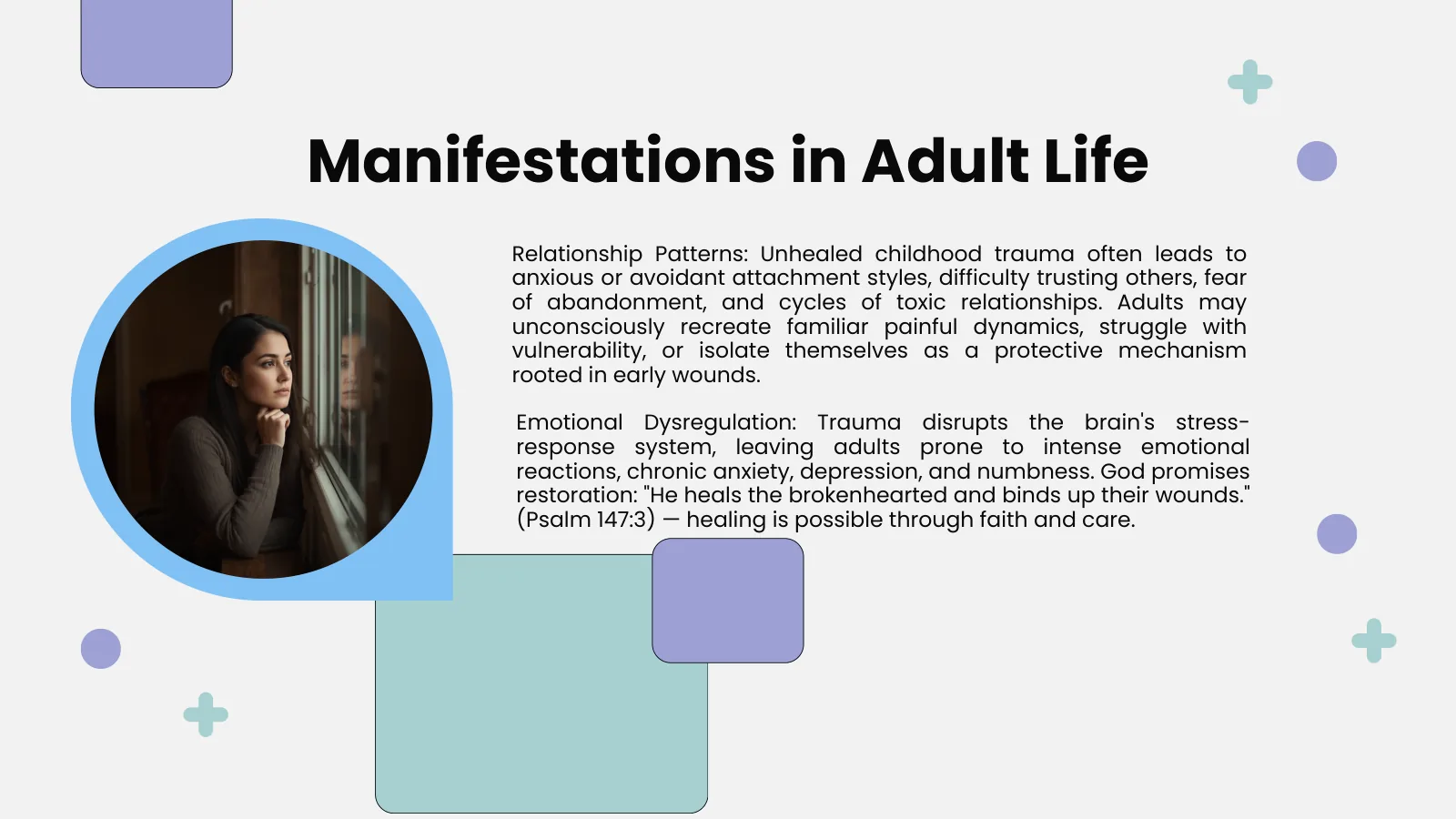
Unhealed childhood trauma often leads to anxious or avoidant attachment, difficulty trusting, fear of abandonment, and repeated cycles of painful relationships. Adults may unconsciously recreate familiar dynamics, struggle with vulnerability, or isolate themselves as a protective measure rooted in early wounds.
Emotional dysregulation
Because trauma disrupts the brain’s stress-response system, adults are left prone to intense emotional reactions, chronic anxiety, depression, and numbness. This is where the medical picture and God’s promise meet rather than compete.
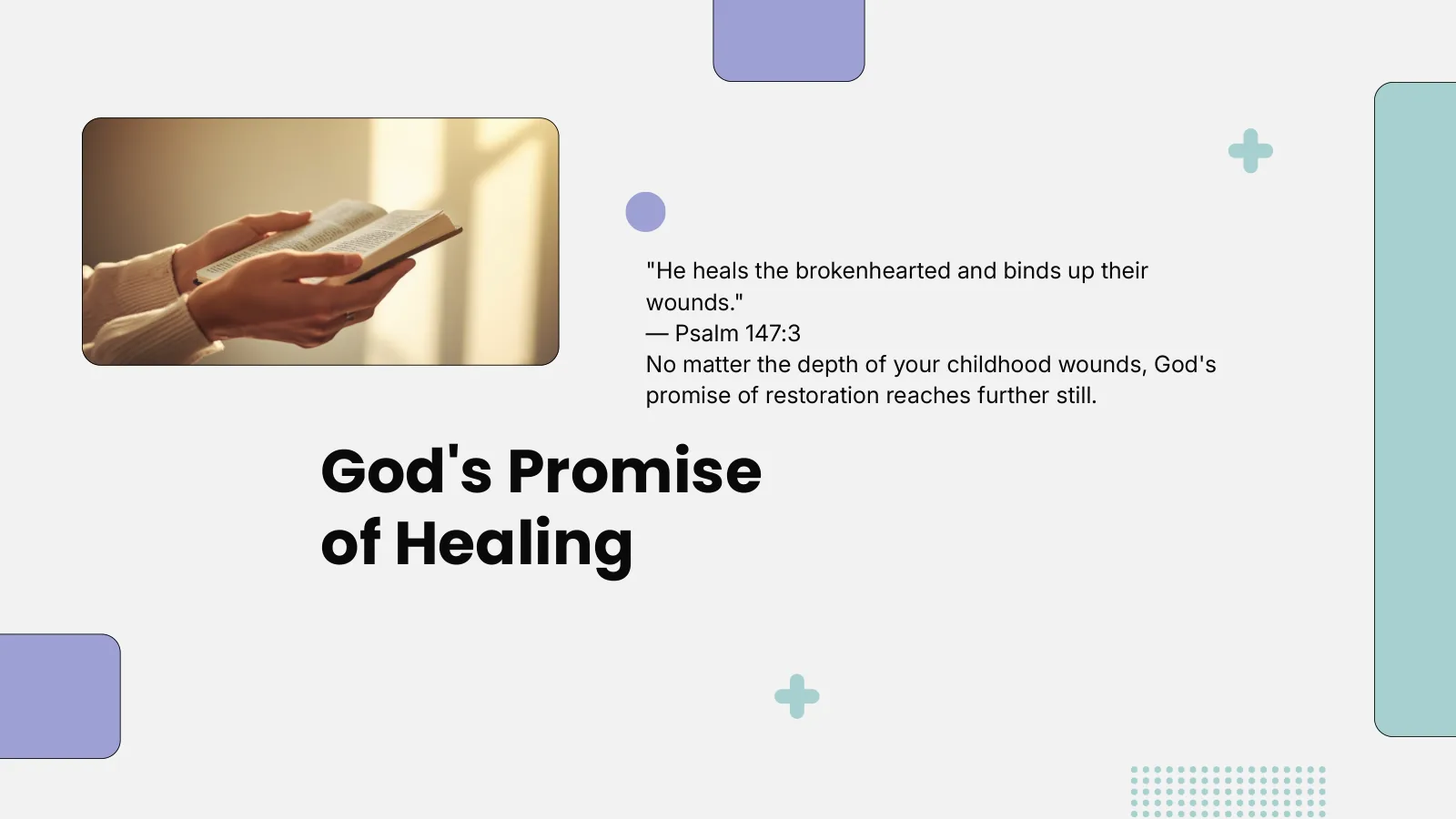
He heals the brokenhearted and binds up their wounds.
Psalm 147:3From understanding to healing
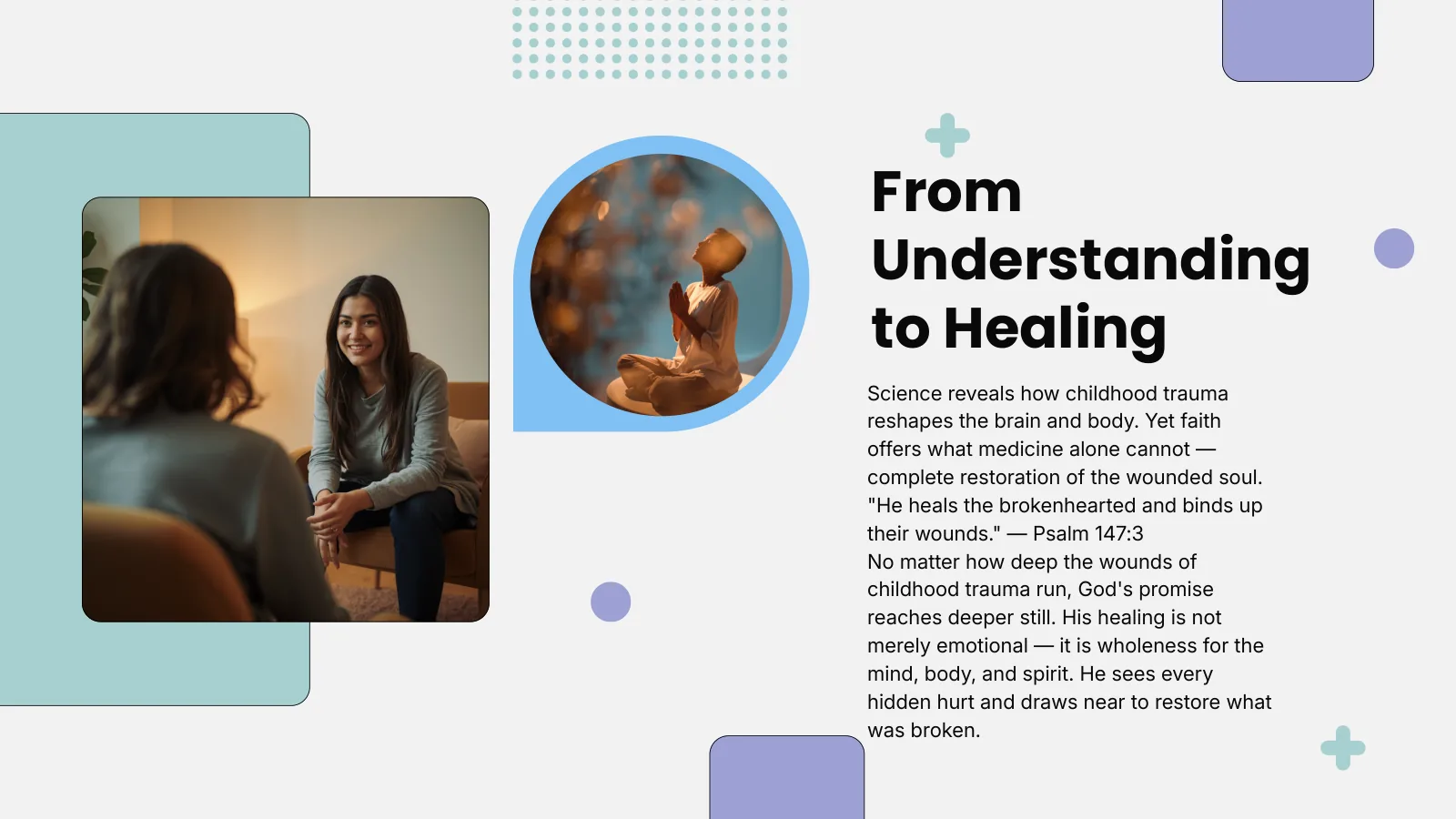
Science reveals how childhood trauma reshapes the brain and body. Faith offers what medicine alone cannot — complete restoration of the wounded soul. No matter how deep the wounds run, God’s promise reaches deeper still. His healing is not merely emotional; it is wholeness for mind, body and spirit. He sees every hidden hurt and draws near to restore what was broken.
What God says
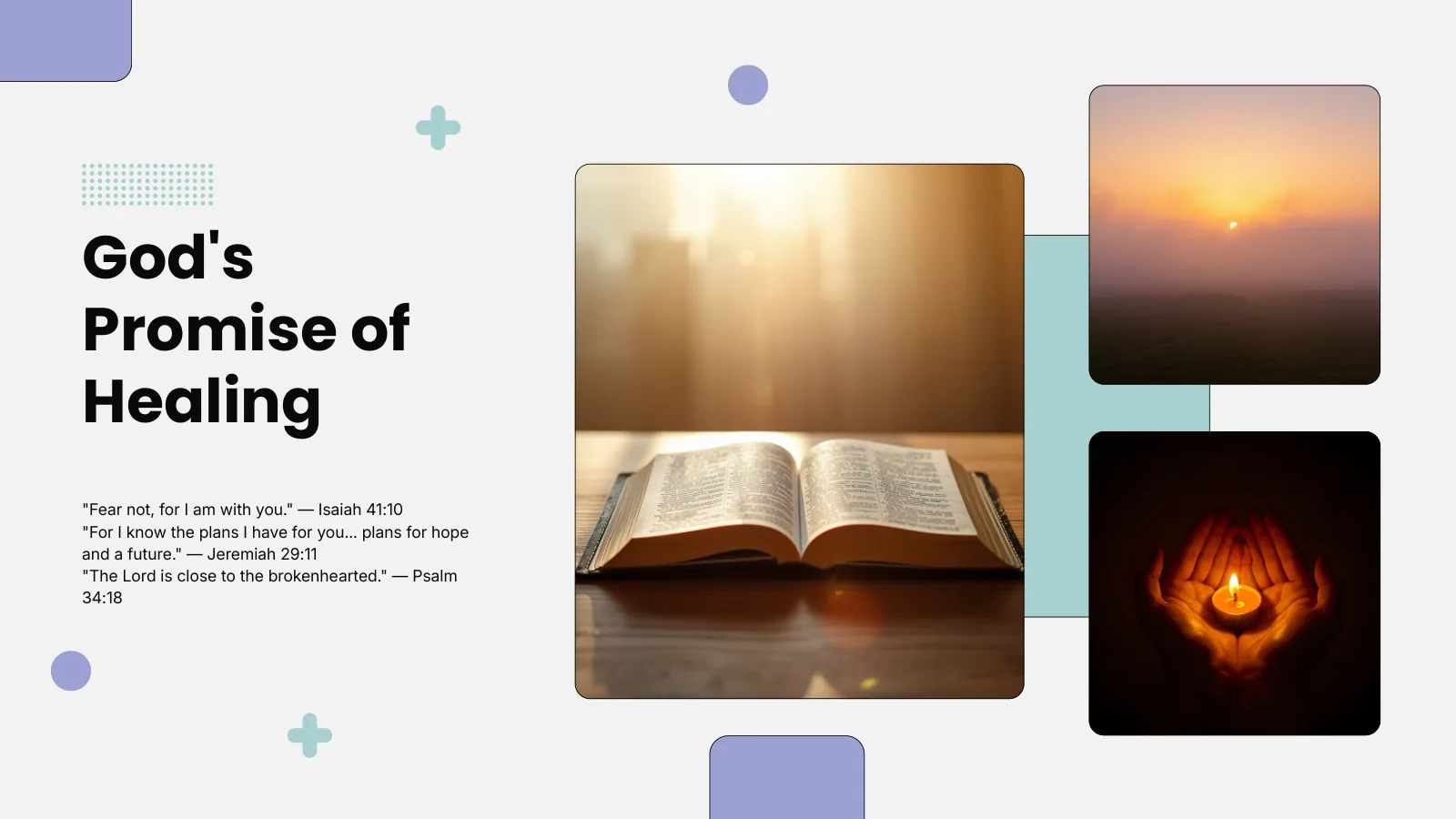
“Fear not, for I am with you” (Isaiah 41:10). “For I know the plans I have for you… plans for hope and a future” (Jeremiah 29:11). “The Lord is close to the brokenhearted” (Psalm 34:18). These are not consolations offered instead of care — they are the ground on which care stands.
The path to healing
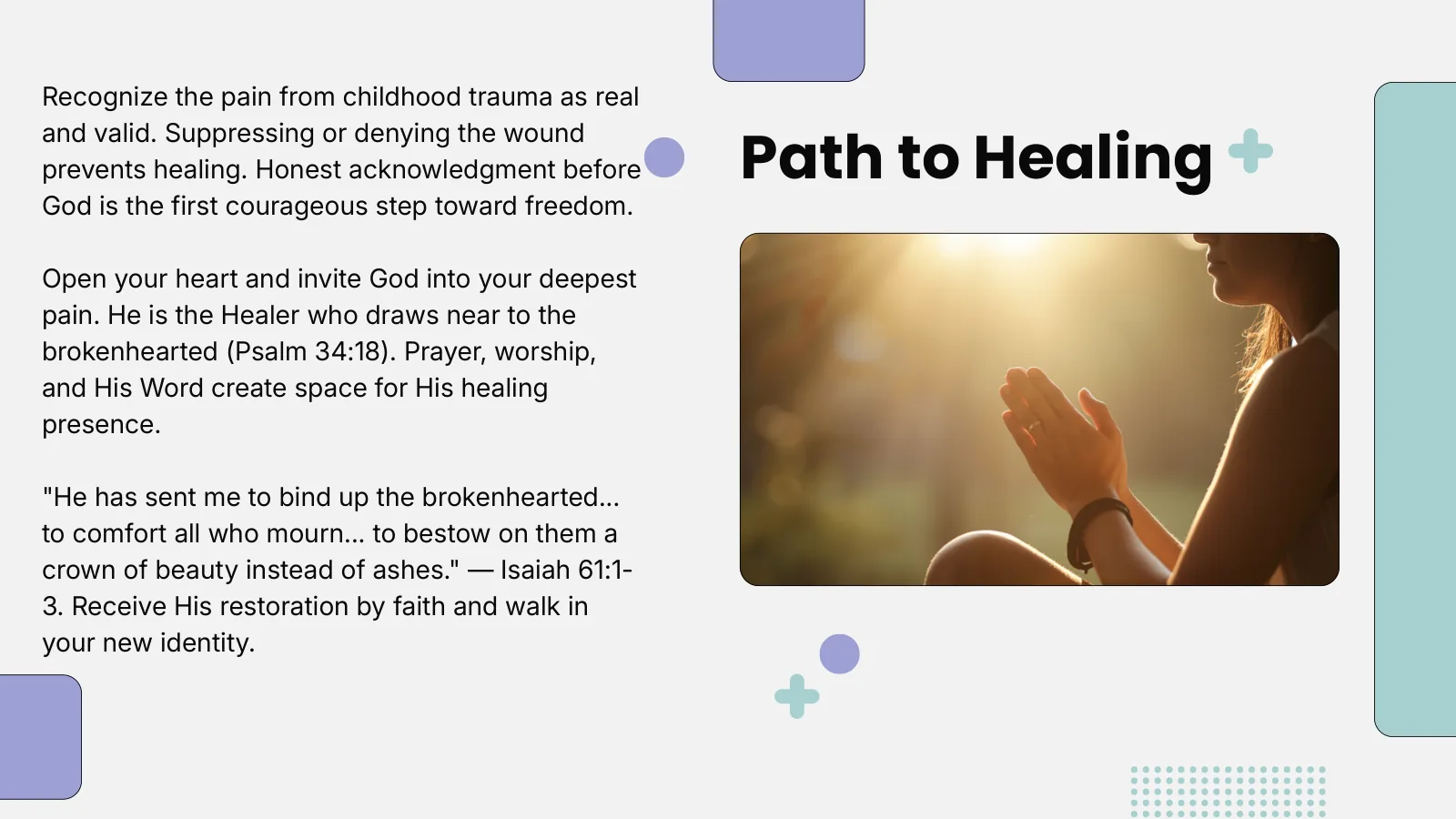
First, recognise the pain as real and valid; suppressing or denying a wound prevents it healing, and honest acknowledgment before God is the first courageous step. Then open your heart and invite God into the deepest part of it — prayer, worship and His Word make space for His presence. Then receive His restoration by faith: He was sent “to bind up the brokenhearted… to comfort all who mourn… to bestow on them a crown of beauty instead of ashes” (Isaiah 61:1–3).
The brain can heal
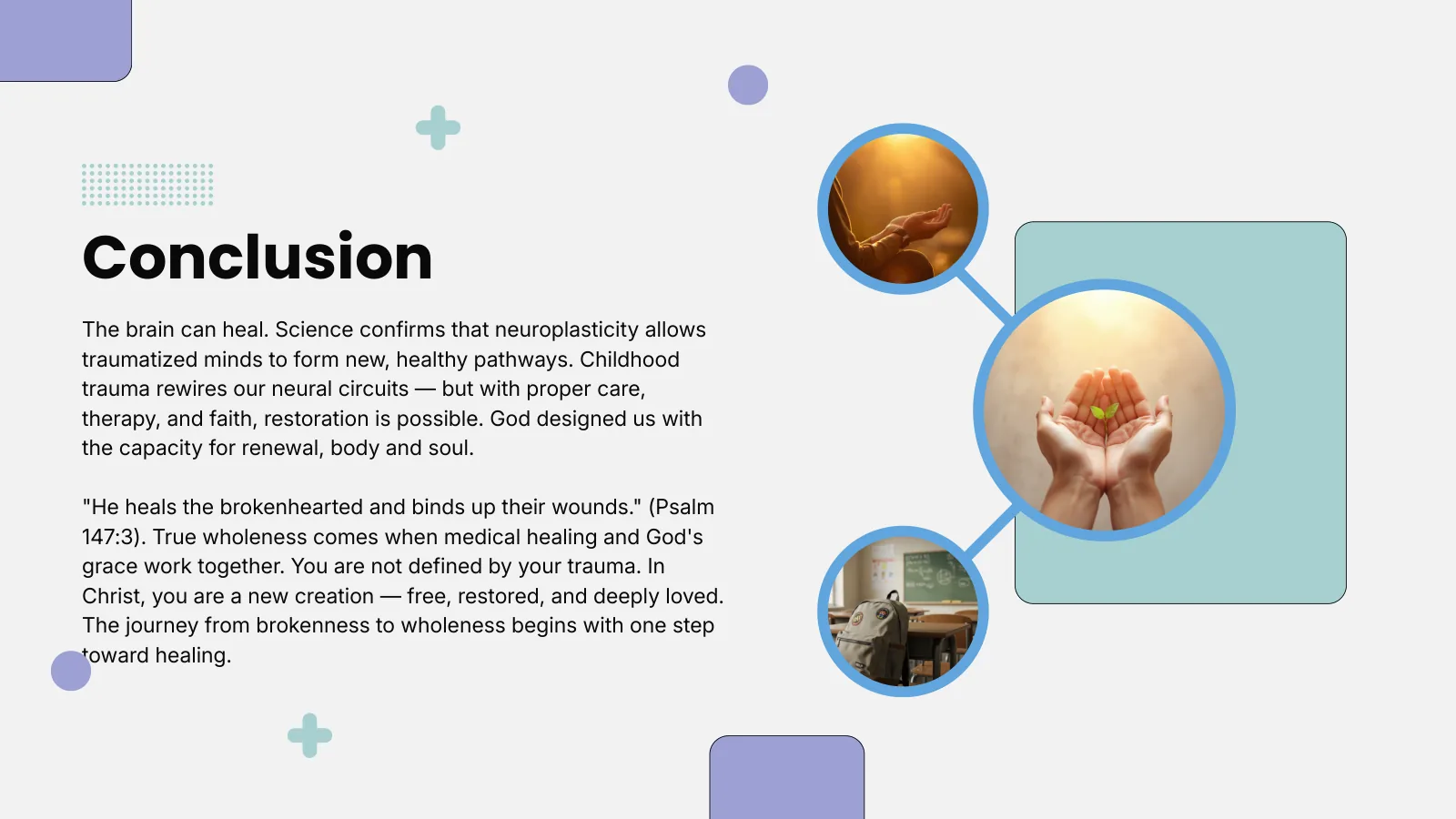
Neuroplasticity means a traumatised mind can form new, healthy pathways. Childhood trauma rewires neural circuits — but with proper care, therapy and faith, restoration is possible. We were designed with the capacity for renewal, body and soul. True wholeness comes when medical healing and God’s grace work together. You are not defined by your trauma; in Christ you are a new creation.
Reflection
- Which of these effects have you recognised in yourself, without knowing where it came from?
- Where have you treated a trauma response as a personal failing?
- What would it look like to seek both prayer and professional help, rather than choosing between them?
Challenge
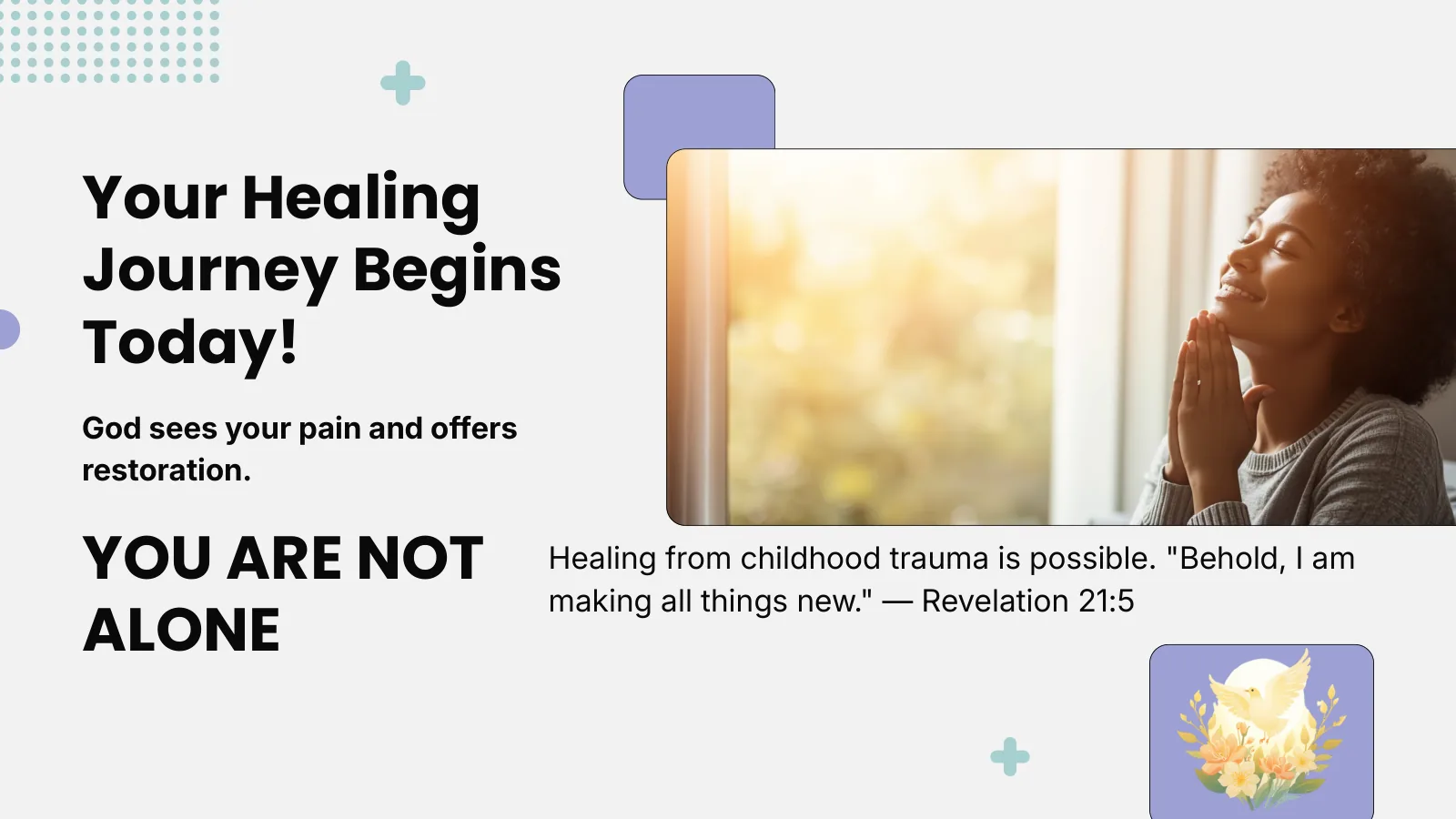
Healing from childhood trauma is possible — “Behold, I am making all things new” (Revelation 21:5). Take one concrete step this week: a conversation you have been avoiding, or an appointment you have been putting off.
Slides
Browse the teaching slides
Swipe, or use the arrows. 12 slides.
A note before you download
These materials are offered for spiritual formation and group study. They are not counseling and are not a substitute for professional care. If you are carrying something heavy, we would be glad to walk with you — reach out to us — and we encourage seeking qualified professional help alongside prayer and community.
Session 4 handoutPDF · A5 · for printing and offline readingDownload ↓